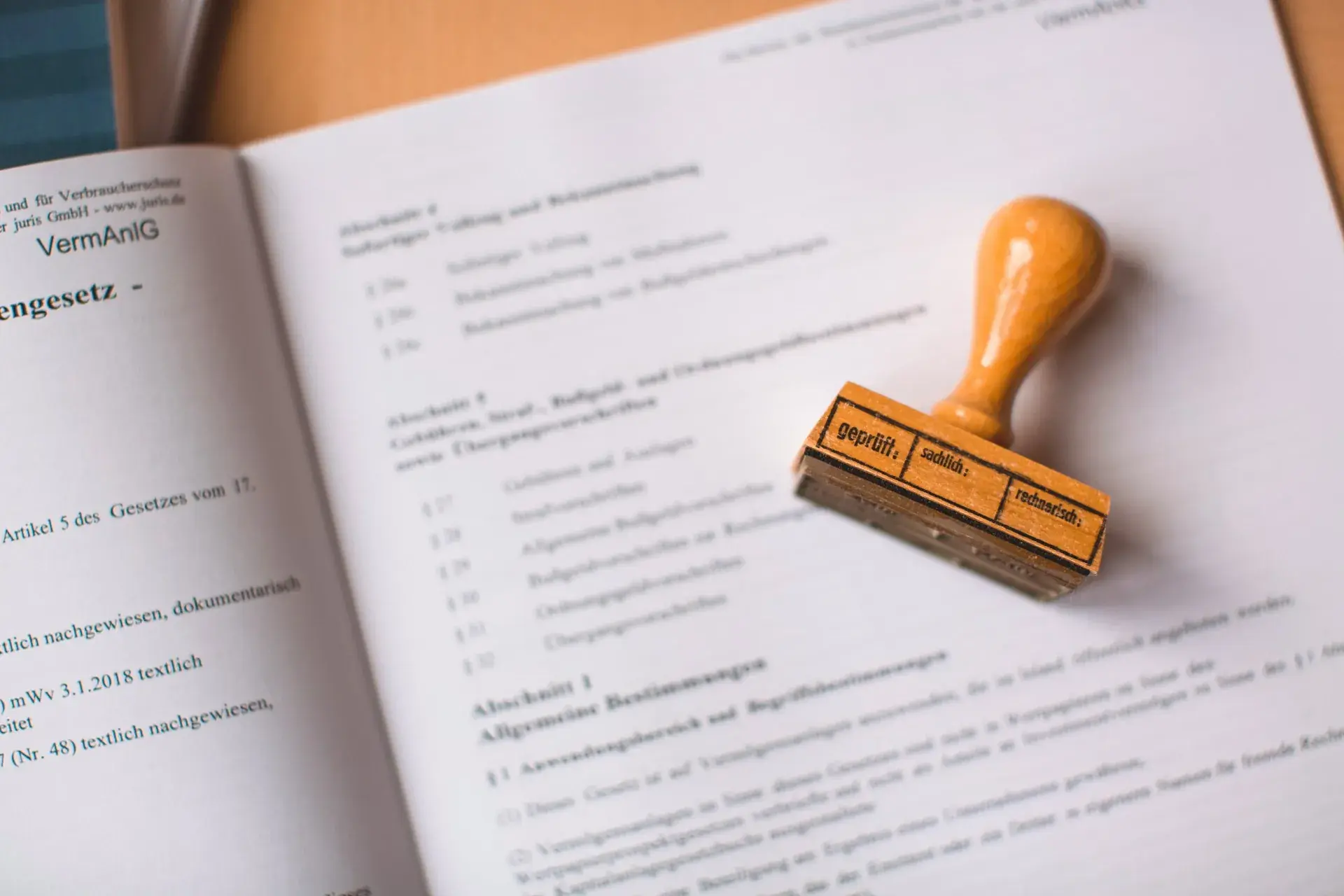

A sworn translation in Italy, commonly called a traduzione asseverata or traduzione giurata, is a translation for which the translator completes the formal asseverazione procedure before the competent judicial office. It is one way to prepare a foreign-language document for official use, but it is not the only translation method accepted in every Italian procedure.
The correct translation route depends on the authority receiving the document and the country where the original was issued. Consular certification, officially qualified translators under another legal system, multilingual forms or specific EU rules can sometimes be used instead of an Italian court asseverazione.
How to Prepare a Certified Translation for Italy
- 1
Identify the receiving authority
Confirm which translation method the Italian consulate, Comune, court or other office accepts.
- 2
Authenticate the original if required
Complete the Apostille or legalization of the source document before translation when the chosen workflow requires it.
- 3
Prepare the full Italian translation
Translate the complete document, including stamps, annotations and material endorsements.
- 4
Complete certification or asseverazione
Use the formal certification method required for the specific authority and document.
- 5
Keep the document set together
Submit the original, authentication and translation in the sequence required by the receiving authority.
What the Translator Swears
In an asseverazione, the translator signs the prescribed statement concerning the accuracy and faithful rendering of the translation and assumes responsibility for that declaration. The procedure does not transform an unauthenticated foreign original into an authenticated public document; Apostille or legalization of the source record remains a separate question.
Do Translators Have to Be Registered with a Court?
There is no single national rule stating that every translation used in Italy must be completed only by a translator permanently “registered with the local court.” Courts and receiving authorities can have their own operating practices, and the acceptable translator or certification method depends on the specific filing. The destination authority’s instructions should therefore be checked before the translation is commissioned.
Apostille, Legalization and Translation
The original public document may need an Apostille or ordinary legalization before it is used in Italy. In some countries the translation is prepared abroad and the translator’s signature is also authenticated. In others, the foreign original is authenticated first and the translation is sworn in Italy. These are different workflows and should not be mixed automatically.
Translations for Italian Visa Applications
Consulates may request Italian translations for civil-status records, qualifications, criminal records and other public documents. Applicants for the Digital Nomad Visa or University Student Visa should follow the checklist of the competent consulate rather than assuming that every document needs a sworn translation in Italy.
“Certified”, “Sworn” and “Asseverated” Are Not Universal Synonyms
English-language checklists often use “certified translation” as a generic expression, but Italian procedures can distinguish between an ordinary professional translation, a translation whose translator makes a sworn declaration before the competent office, and a translation produced or certified under a foreign legal system. The receiving authority’s rule determines which form is sufficient.
In Italy the commonly used term traduzione asseverata refers to a translation accompanied by the translator’s sworn declaration of accuracy before the competent judicial office or other authority under the applicable practice. Court procedures and practical requirements can vary locally, so a translation should not be prepared for asseveration until the place and intended use are known.
Authentication Usually Comes Before the Final Translation
Where the foreign document requires an Apostille or legalization, the safest sequence is often to authenticate the original document first and then translate the complete authenticated record, including the Apostille or consular legalization text. Otherwise the applicant can end up with a translation that omits the very authentication the Italian authority needs to see.
There are exceptions based on the procedure, treaty and receiving authority. EU multilingual forms, for example, can remove or reduce translation requirements for covered public documents. The correct sequence should therefore be confirmed before either the translator or authentication authority starts work.
Will Italy Accept a Translation Certified Abroad?
Sometimes, but not automatically. A translation validly certified or sworn under foreign law may still need authentication of the translator’s or notary’s signature, and the Italian authority must accept that form for the intended procedure. Civil-status offices, courts, universities, consulates and notaries can have different legal and practical requirements.
Different Procedures Need Different Translation Strategies
A visa application may follow the language rules published by the competent Italian consulate. A Comune transcribing a foreign civil-status act may require an Italian translation in the form accepted under D.P.R. 396/2000. A notary or court may need a translation suitable for a legal act or proceeding. Using the most expensive form of translation for every document is not a substitute for identifying the correct form.
The efficient workflow is to identify the receiving authority, authenticate the foreign document if required, choose the translation method accepted for that authority and preserve the original formatting, names, seals and annotations needed to connect the translation to the source document.
The Practical Bottom Line
Do not order a “certified translation” without defining what the receiving authority means by that term. First identify the destination office and document formality, then choose the translation method that the authority actually accepts. That is the difference between a translated document and a document that can be used.
Frequently Asked Questions
Sources
- 1
- 2EU Regulation 2016/1191 — Public Documents and Multilingual Forms
eur-lex.europa.eu
- 3HCCH — Apostille Convention
hcch.net